
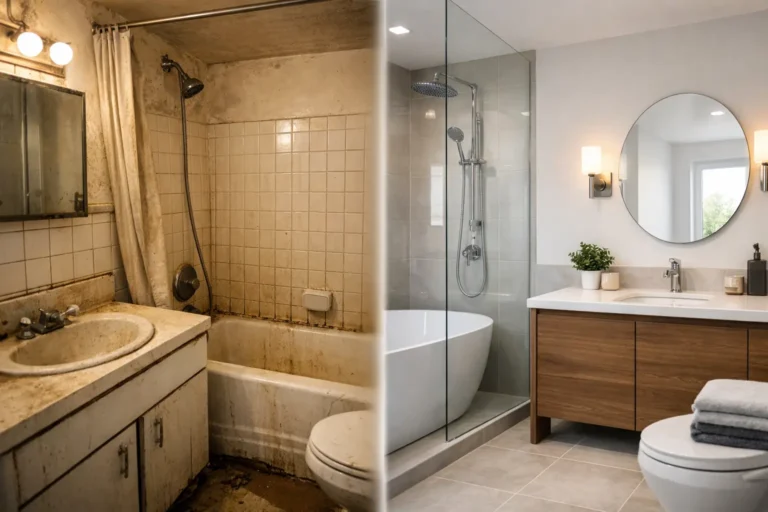
A bathroom can look tired long before it completely stops working. The vanity is too small, the lighting is harsh, the shower feels cramped, and storage keeps spilling onto the counter. That is why bathroom renovations before and after are so compelling to homeowners. The change is not just visual. A well-planned remodel can make the room easier to use every single day.
The best before-and-after projects are not built around trends alone. They solve real problems. Maybe the room feels dark even at noon. Maybe an older tub is rarely used, while the family would benefit more from a larger walk-in shower. Maybe the finishes are dated, but the bigger issue is poor layout and wasted space. When homeowners focus on how they live, the after result usually feels better for much longer.
What bathroom renovations before and after really show
Photos tend to highlight the obvious differences – new tile, a better vanity, updated fixtures, cleaner lines. Those details matter, but they only tell part of the story. A strong bathroom renovation improves function underneath the surface too.
In many older bathrooms, the before condition includes hidden inefficiencies. Storage is limited, lighting is placed poorly, ventilation is weak, and the room may not support the way the household actually moves through the morning routine. The after version works because the planning was thoughtful. Drawers replace awkward cabinets. Lighting is layered instead of relying on a single ceiling fixture. Materials are chosen for durability, not just appearance.
That is where many homeowners see the biggest value. The room becomes simpler to maintain, more comfortable to use, and better suited to daily life. Good craftsmanship matters here because a bathroom is one of the hardest-working spaces in the home. If the work behind the walls is rushed, the finish materials will not save it.
The biggest transformations usually start with layout
Some bathrooms need a cosmetic refresh. Others need a smarter floor plan. Knowing the difference can save money and frustration.
A before-and-after transformation often starts with one key question: is the current layout helping or hurting the room? If plumbing locations are mostly working and the room has enough usable space, keeping the same footprint may be the best move. That allows more of the budget to go toward finishes, better storage, upgraded fixtures, and comfort features.
But sometimes the layout is the real problem. A door swing blocks movement. A large tub dominates the room without serving a purpose. The toilet sits in a visually awkward location. In those cases, changing the layout can dramatically improve the final result, even if it adds cost.
This is one of those areas where it depends. Reworking plumbing and electrical can increase the budget, but the payoff can be worth it if the current setup makes the room frustrating to use. A bathroom should not just look finished. It should feel intuitive.
Before: cramped, dated, and hard to clean
Many bathrooms start with the same issues. A bulky vanity takes up visual space while offering very little storage. Standard builder-grade lighting creates shadows at the mirror. Old tile and grout make the room feel busy and harder to maintain. The tub-shower combo may be functional, but it often feels tight and visually heavy.
There is also the issue of wear. Water exposure tends to reveal every shortcut over time. Peeling caulk, swollen trim, loose tiles, and tired fixtures can make the whole bathroom feel older than it is.
After: brighter, cleaner, and easier to live with
The most successful after photos usually feel calm. That effect comes from a few smart design choices working together. Larger-format tile can reduce grout lines. A floating or well-proportioned vanity can open up the room visually. Glass shower panels can make the space feel bigger. Better lighting at the mirror improves both function and atmosphere.
The room also feels more organized. Built-in niches, vanity drawers, linen storage, and practical countertop space make the bathroom easier to keep tidy. That matters more than people expect. A beautiful bathroom loses some of its appeal quickly if everyday items have nowhere to go.
Design choices that make the after worth it
Not every upgrade adds equal value. The best before-and-after results tend to come from choices that improve both appearance and usability.
Storage is one of the biggest ones. Homeowners often focus on tile and fixtures first, but storage is what supports day-to-day livability. Deep drawers, medicine cabinets, recessed shelves, and better vanity design can change how the room functions without increasing its size.
Lighting is another major factor. One overhead light rarely does enough. A better plan includes mirror lighting, ambient lighting, and in some cases shower or accent lighting. It makes the room more flattering, more practical, and more comfortable at different times of day.
Material selection also plays a big role in whether the after still looks good years later. Natural stone can be beautiful, but it may require more maintenance than some homeowners want. Porcelain often offers a strong balance of durability, style, and easier upkeep. Matte finishes can hide water spots better than highly polished ones, but that depends on the product and the room’s lighting.
The right choice is not always the most expensive one. It is the one that fits the household’s priorities.
Budget decisions that shape the final result
One reason homeowners search for bathroom renovations before and after is to understand what kind of change is realistic for their budget. That is a smart starting point, but photos can be misleading if they do not show what went into the work.
A bathroom remodel usually has two layers of cost: visible upgrades and behind-the-scenes essentials. New tile, vanities, plumbing fixtures, and glass are easy to spot. Waterproofing, subfloor repairs, plumbing updates, ventilation improvements, and electrical work are less visible but just as important.
If the existing bathroom has moisture damage or outdated systems, part of the budget may need to go there first. That can feel less exciting, but it protects the investment. Homeowners are usually happiest with the final result when they understand this balance from the start.
There are also ways to control costs without sacrificing the overall transformation. Keeping the plumbing layout similar can reduce labor. Mixing statement elements with more budget-conscious finishes can maintain style. Choosing one strong focal point, such as a custom shower or vanity wall, often has more impact than trying to upgrade every surface with premium materials.
At HB Renovations, that planning stage is where trust matters most. A good contractor helps you understand where to spend, where to simplify, and how to avoid paying twice for choices that do not hold up.
Small bathrooms can have the best before-and-after impact
A compact bathroom often delivers one of the most dramatic transformations because every improvement is easier to feel. In a small space, poor storage, bad lighting, and awkward layout choices stand out immediately. The same is true after renovation. Better design becomes obvious fast.
Wall-mounted vanities, larger mirrors, curbless or low-profile showers, and lighter finishes can all help a small bathroom feel more open. But bigger-looking is not the only goal. The room also needs to perform well. That may mean prioritizing drawer storage over decorative open shelving, or choosing a shower bench only if the footprint supports it comfortably.
There is always a trade-off in tighter spaces. A larger vanity might give you better storage but reduce floor area. A frameless glass shower may open the room visually but require more regular cleaning. The best solution depends on how the bathroom is used and who uses it most.
How to evaluate your own before and after potential
If you are thinking about a renovation, start by looking past surface finishes. Ask what is actually not working. Is the room hard to share in the morning? Do you need more storage? Is cleaning more difficult than it should be? Are there signs of water damage, poor ventilation, or outdated materials?
Then think about what success would look like six months after the work is done. Not just on reveal day, but during a regular Tuesday morning. That is the real test of a good renovation. You should be able to move through the space more comfortably, keep it cleaner with less effort, and feel that the room fits your home better than it did before.
Before-and-after inspiration is useful, but your bathroom does not need to copy someone else’s result. It needs to reflect your space, your budget, and your routine. When those pieces come together with solid workmanship and clear planning, the after does more than look new. It feels right.
If your current bathroom is showing its age or no longer works for the way your household lives, the most valuable transformation may start with a simple conversation about what needs to change and what deserves to stay.
