
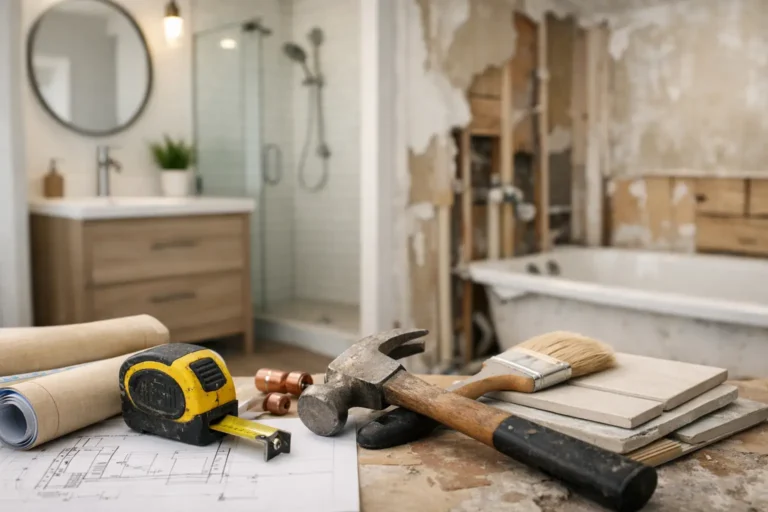
A bathroom can start feeling outdated long before it actually stops working. Worn tile, poor lighting, limited storage, and a layout that never quite made sense can make the space frustrating to use every day. The good news is that bathroom renovations on a budget do not have to mean cutting corners. With the right plan, you can make smart upgrades that improve comfort, function, and appearance without taking on a full luxury remodel.
For most homeowners, the key is not spending less at any cost. It is spending with purpose. A budget-friendly renovation works best when you know what matters most, what can stay, and where a professional installation will protect you from expensive problems later.
What bathroom renovations on a budget actually look like
A realistic budget renovation is usually a selective renovation, not a complete reset. That might mean keeping the existing layout, updating the vanity, replacing old flooring, installing a new tub or shower surround, and improving the lighting and ventilation. Those changes can dramatically shift how the bathroom feels without the added cost of moving plumbing lines or rebuilding the room from scratch.
This is where many homeowners save money in the right way. Instead of chasing a showroom-perfect image with every possible upgrade, they focus on the changes that improve daily use. A bathroom that feels cleaner, brighter, easier to maintain, and more functional will often deliver more value than one filled with expensive finishes that do not solve the original problems.
Start with the layout before the finishes
One of the biggest cost drivers in any bathroom renovation is moving plumbing. Shifting a toilet, relocating a shower drain, or repositioning a vanity can quickly expand the scope of work. In some bathrooms, it is worth it. In many others, keeping the existing layout is the smartest financial decision.
That does not mean the room has to look the same. A new vanity in the same footprint, a more efficient tub-to-shower update, or better storage design can change the whole experience without forcing major mechanical changes behind the walls.
If the layout is truly awkward, there is a trade-off to consider. Spending more upfront to correct a daily frustration may be worth it if this is your long-term home. But if the room functions reasonably well, preserving the footprint usually gives you more room in the budget for visible upgrades.
Where to spend and where to save
Budget control gets easier when you separate the renovation into high-impact areas and lower-priority details. The most important spending decisions usually involve waterproofing, plumbing fixtures, flooring, tile installation, ventilation, and labor quality. These are the parts of the project that affect durability and long-term performance.
If a shower is not properly waterproofed, a lower price today can turn into major repair costs later. The same goes for poor installation around tile, improperly vented fans, or rushed plumbing work. These are not the places to gamble.
On the other hand, there are plenty of ways to save without sacrificing the final result. Stock vanities can look excellent when chosen carefully. Standard-size mirrors, simple but well-made faucets, porcelain tile instead of natural stone, and ready-to-ship lighting can all reduce costs. Paint color, hardware, and accessories also go a long way in making the space feel finished.
A good contractor will help you see this balance clearly. At HB Renovations, that often means helping homeowners choose materials that deliver a clean, modern look while keeping the project aligned with the budget from the start.
The upgrades that usually give the best return
Not every bathroom upgrade carries the same value. If you are trying to stretch your investment, the best choices are usually the ones that combine visual improvement with practical benefit.
A new vanity is a strong example. It changes the look of the room immediately, and it can solve storage issues at the same time. Better lighting does something similar. Many bathrooms feel dated not because of one major problem, but because the space is dim, shadowy, and hard to use. Upgrading the main light fixture, adding better vanity lighting, and choosing the right bulb temperature can make a basic bathroom feel significantly more polished.
Flooring is another high-impact area. Old vinyl, cracked tile, or stained grout can make the entire room feel tired. Replacing flooring with durable porcelain tile often gives the space a cleaner and more current feel, while still being practical for busy family use.
If your tub or shower area is the main eyesore, focus there first. A fresh wall surround, new tile, updated fixtures, and proper glass or curtain solutions can transform the room. In many cases, that single zone has more visual influence than the rest of the bathroom combined.
A smaller bathroom can still feel high-end
Homeowners often assume that a small bathroom requires custom solutions and premium finishes to feel finished. In reality, smaller bathrooms can be some of the best spaces to renovate on a budget because every improvement has a bigger visual effect.
Large-format tile can make the room feel less busy. A floating vanity or a vanity with slimmer proportions can open up the floor area. A frameless mirror, better lighting, and a more intentional color palette help create a cleaner, more spacious look. Even details like a recessed niche in the shower or coordinated black or brushed nickel hardware can make the room feel more considered.
The main caution with small bathrooms is over-designing them. Too many accent features, mixed materials, or trend-heavy choices can make a compact space feel crowded. When the budget is limited, simplicity usually looks more expensive than trying to include everything.
Material choices that help control the budget
Material selection can either support your budget or quietly push it off track. Tile is one of the most common examples. Homeowners often choose an affordable field tile, then add multiple mosaics, borders, layout changes, and specialty cuts that increase labor costs. The tile itself may be reasonable, but the installation becomes more complex and more expensive.
A simpler tile plan often creates a better result. One clean wall tile, one floor tile, and a carefully chosen grout color can feel timeless and easier to maintain. The same idea applies to vanities, countertops, and fixtures. Consistency usually creates a more custom look than too many competing features.
Prefabricated options can also be worth considering. A quartz vanity top in a standard size, for example, may be more budget-friendly than a fully custom counter while still offering durability and a refined finish. There is no single right answer here. It depends on the size of the bathroom, the condition of the existing space, and how long you plan to stay in the home.
Planning is what protects the budget
Most bathroom budgets do not get stretched by one dramatic decision. They get stretched by a series of small changes, late selections, and hidden issues discovered after demolition begins. That is why planning matters so much.
Before work starts, you want clarity around scope, materials, allowances, and priorities. Know what you are replacing, what is staying, and what level of finish you want. If you have room in the budget, set aside a contingency for surprises behind the walls, especially in older homes. Water damage, outdated plumbing, and uneven subfloors are common issues that do not show themselves until the project is underway.
This is also where communication matters. Homeowners want a contractor who will be direct about costs, realistic about timelines, and honest about where spending more will actually make a difference. That kind of guidance can save you from spending emotionally in the moment and regretting it later.
A budget renovation should still feel like an upgrade
There is a difference between inexpensive and well planned. Bathroom renovations on a budget should still leave you with a space that feels intentionally designed, properly built, and comfortable to use every day. You should not walk away feeling like you settled.
The right project starts by identifying what bothers you most. Maybe it is the lack of storage, the old finishes, the poor lighting, or the shower that no longer works for your household. Once those priorities are clear, the renovation becomes easier to shape around real needs instead of impulse decisions.
That is usually where the best outcomes happen. Not in the biggest bathrooms or the most expensive ones, but in the projects where each choice has a purpose and the work is done with care. If you approach the renovation with a clear plan and the right support, a modest budget can go further than most homeowners expect.
A bathroom does not need every luxury feature to feel fresh, functional, and well made. It just needs thoughtful choices, solid workmanship, and a plan that respects both your home and your budget.
