
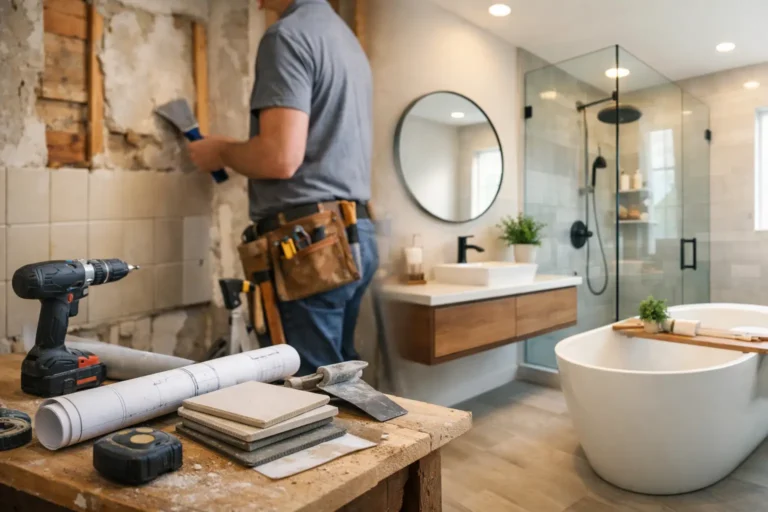
A bathroom that looks dated is one thing. A bathroom that no longer works for your morning routine, your storage needs, or your family is usually what pushes homeowners to finally ask: what is bathroom renovation, really?
At its core, bathroom renovation means improving an existing bathroom to make it more functional, more attractive, and better suited to the way you live. That can be as straightforward as replacing a vanity, tub, tile, and fixtures, or as involved as reworking the layout, updating plumbing and electrical systems, improving ventilation, and building a space from the studs out. The scope depends on the condition of the room, your goals, and your budget.
For many homeowners, the confusion starts because people use terms like remodel, update, and renovation as if they all mean the same thing. In real projects, they can overlap, but they are not always identical.
What Is Bathroom Renovation?
Bathroom renovation usually refers to improving and modernizing an existing bathroom while working within the structure that is already there. The layout may stay the same, or it may change slightly. Old materials are removed, worn components are replaced, and the room is rebuilt with better finishes, better function, or both.
A renovation can include cosmetic changes like new tile, paint, lighting, and fixtures. It can also involve deeper work, such as replacing a leaking shower, upgrading waterproofing, installing a double vanity, correcting plumbing issues, or adding storage where there was none before.
That range is why the answer is rarely one-size-fits-all. One homeowner may renovate to create a cleaner, more modern look. Another may need a safer bathroom with better lighting, easier access, and more durable materials. Both are bathroom renovations, but the priorities are different.
Bathroom Renovation vs. Bathroom Update
A simple update is usually surface-level. You might replace the mirror, swap out faucets, paint the walls, or install a new light fixture. Those changes can freshen up the room, but they do not always address bigger issues underneath.
A renovation goes further. It often involves demolition, trades, material selection, and coordinated construction. If the shower pan has failed, the flooring is damaged, the vanity is too small, or the layout wastes space, an update will only cover the problem. A renovation is meant to solve it.
This distinction matters because homeowners often start with the idea of a quick refresh and then discover hidden water damage, poor ventilation, aging plumbing, or worn finishes that have reached the end of their useful life. At that point, a proper renovation is usually the smarter investment.
What Does a Bathroom Renovation Usually Include?
Most bathroom renovations combine design decisions with construction work. The exact scope varies, but the process commonly includes demolition, plumbing adjustments, electrical updates, waterproofing, tiling, fixture installation, painting, and finish carpentry.
In a typical project, the old tub or shower is removed, wall and floor finishes come out, and the room is prepared for new materials. If needed, plumbing lines are adjusted to fit a new layout or fixture size. Electrical may be updated for lighting, outlets, heated flooring, or code compliance. Then comes the rebuilding phase, where the room starts to take shape again.
The parts homeowners notice most are the visible features: the vanity, countertop, tile, shower glass, lighting, toilet, and hardware. But some of the most important work is behind the walls. Waterproofing, subfloor repairs, ventilation, and proper installation methods are what help a new bathroom stay durable over time.
Why Homeowners Renovate Bathrooms
Bathrooms tend to show wear faster than many other rooms in the home. They deal with moisture, daily traffic, temperature changes, and constant use. Over time, even a well-built bathroom can start to feel tired, cramped, or less practical than it once did.
Some homeowners renovate because the style feels outdated. Others are dealing with more urgent issues, such as cracked tile, poor storage, recurring mildew, or a shower that no longer works well. Growing families may need more function. Older homeowners may want comfort and accessibility. In many cases, the project is about improving everyday life just as much as appearance.
A well-planned renovation can also add value to the home, but that should not be the only reason to do it. The best bathroom renovations improve how the space performs every day. Better lighting, easier cleaning, smarter storage, and a layout that fits your routine often matter more than chasing trends.
What Is Included in the Planning Stage?
Before any tile is selected or demolition begins, a good bathroom renovation starts with a plan. That means defining what is not working, what needs to change, and where the budget should go.
This stage usually includes measuring the space, discussing layout options, identifying any structural or mechanical concerns, and choosing materials that fit both the look and performance you want. Homeowners are often surprised by how many decisions are involved. Vanity width, drawer storage, tile size, grout color, lighting placement, mirror proportions, and shower fixture types all affect the final result.
This is also where trade-offs come into play. For example, a floating vanity may look clean and modern, but it may offer less storage than a full cabinet base. Large-format tile can reduce grout lines, but it may not be the best fit in every small bathroom. A curbless shower looks sleek and improves accessibility, but it requires careful planning and installation.
Clear communication during planning helps avoid expensive changes later. It also helps homeowners understand where it makes sense to invest and where simpler choices can still deliver a strong result.
What Makes a Bathroom Renovation Successful?
A successful bathroom renovation is not just about choosing attractive finishes. It is about building a space that functions well, holds up over time, and fits the needs of the household.
Good workmanship matters at every stage. Tile that looks level, fixtures that are properly aligned, smooth trim details, and clean transitions between materials all make a visible difference. Just as important are the less visible details, like proper waterproofing, accurate plumbing rough-ins, and reliable ventilation.
The best outcomes happen when design and construction are treated as one conversation. A beautiful material that is hard to maintain may not be the right fit for a busy family bathroom. A cheaper fixture may save money upfront, but if it wears out quickly, it can cost more in the long run. There is no single right answer for every project. The right answer is the one that balances style, performance, and budget honestly.
How Long Does a Bathroom Renovation Take?
Homeowners often want a simple number, but timelines depend on scope. A smaller renovation with limited layout changes may move faster than a full gut job with plumbing relocation, custom tile work, and specialty orders.
In general, bathroom renovations take time because several trades need to work in the correct sequence. Demolition comes first, then rough plumbing and electrical, then inspections where required, followed by wall prep, waterproofing, tile, painting, cabinetry, and final fixture installation. Delays can happen if materials arrive late or hidden issues are uncovered once walls and floors are opened.
A realistic schedule is part of a professional process. Rushing bathroom work usually leads to mistakes, especially when moisture protection and finish quality are involved.
What Should Homeowners Expect During the Process?
Even well-managed renovations cause some disruption. The bathroom will be out of service during construction, there will be noise and dust, and there may be days when it feels like progress is slower than expected.
What makes the experience better is knowing what is happening and why. Homeowners should expect regular communication, a clear scope of work, guidance on material decisions, and honest updates if something changes. That trust is a major part of the renovation itself. When the contractor is organized, responsive, and detail-oriented, the whole project feels more manageable.
For homeowners in places like Hamilton, Burlington, or Ancaster, working with a contractor who understands local homes can also help. Older bathrooms often come with hidden surprises, and experience matters when those issues show up.
Is Bathroom Renovation Worth It?
If the bathroom is no longer meeting your needs, the answer is often yes. A renovation can improve comfort, storage, efficiency, and peace of mind all at once. It can also prevent small problems from becoming larger repairs.
That said, worth depends on timing and scope. If your bathroom only needs a few cosmetic changes, a full renovation may be more than necessary. But if the room has moisture damage, worn-out finishes, poor layout, or aging systems, doing the work properly usually pays off in both performance and longevity.
Bathroom renovation is not just about making a space look new. It is about creating a room that works better every single day, with craftsmanship and planning that hold up long after the project is finished. If you are starting to ask what your current bathroom is really missing, that is usually the right place to begin.
