
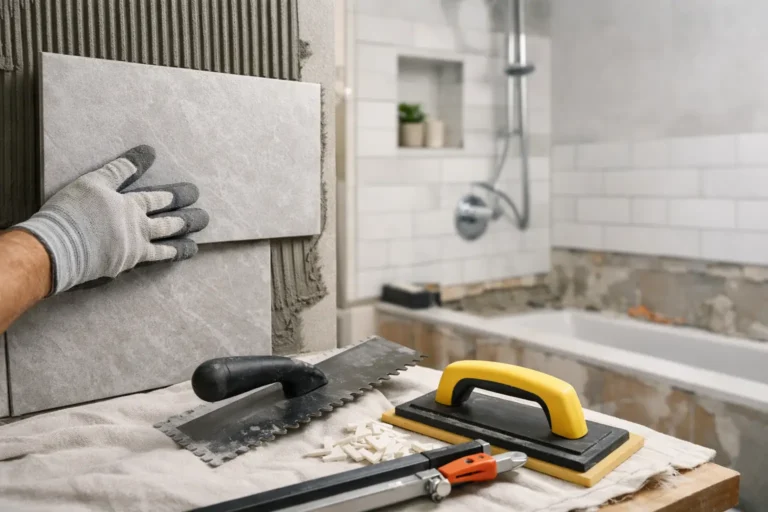
A bathroom tile remodel can look simple from a distance – pick a style, pull out the old tile, install the new one. In real homes, that is rarely how it goes. If you are figuring out how to remodel bathroom tile, the biggest wins usually come from decisions made before the first tile is removed.
Tile affects more than appearance. It changes how the room feels underfoot, how easy it is to clean, how well the space handles moisture, and whether the finished bathroom still works for your routine five years from now. That is why a good tile remodel starts with function first and style right behind it.
How to remodel bathroom tile without costly surprises
Most bathroom tile problems are not really tile problems. They are planning problems. Homeowners often focus on color and pattern early, then run into issues with layout, waterproofing, transitions, or material lead times once the work begins.
The first question to answer is what you are actually remodeling. Are you replacing a worn-out shower surround, updating the bathroom floor, retiling the walls, or doing a full bathroom renovation? Each scope comes with a different budget, timeline, and level of disruption. Retiling a floor while keeping the vanity and tub in place is very different from rebuilding a shower with new waterproofing and plumbing fixtures.
It also helps to be honest about what is driving the project. If the tile is cracked, loose, stained, or allowing water behind the surface, you may be dealing with more than a cosmetic update. If the tile is simply dated, you have more flexibility to focus on design and budget control.
Start with the condition behind the tile
Before choosing materials, look at what sits underneath them. Bathrooms deal with constant moisture, and old tile can hide soft subfloors, mold, poor backer board installation, and failed waterproofing. New tile over a bad substrate will not stay beautiful for long.
This is one reason bathroom tile remodeling is not always a straightforward surface swap. If the shower walls were installed improperly or the floor has movement, the new tile job needs to address the cause, not just cover it up. A clean finish means very little if grout starts cracking a few months later.
A dependable contractor will check the framing, wall flatness, floor level, and moisture protection before installation starts. That early inspection may change the scope, but it also protects your budget from repeated repairs.
Demolition can reveal the real budget
This is the stage where expectations need to stay realistic. Once old tile comes off, hidden damage may appear around tubs, shower valves, or the toilet flange. In older homes, walls and floors are not always square or level, which affects how tile lays out.
That does not mean every bathroom remodel turns into a major rebuild. It means smart homeowners leave room in the budget for the unknown. A tile project planned too tightly can become stressful fast when the demolition stage uncovers work that should not be skipped.
Choose tile based on use, not just looks
A tile that works beautifully on a shower wall may be a poor choice for a floor. A polished surface can look clean and modern but may become slippery when wet. A heavily textured tile can improve grip but may be harder to keep clean.
Porcelain is often the most practical choice for bathroom floors and wet walls because it is dense, durable, and available in a wide range of styles. Ceramic can also work well in many bathroom applications, especially on walls, though it is usually a little less tough. Natural stone has a premium look, but it brings more maintenance and often higher installation costs.
Large-format tile is popular for good reason. It creates a clean look with fewer grout lines, and it can make a small bathroom feel more open. But it also demands flatter walls and floors. If the substrate is uneven, installing large tile properly becomes harder and more time-consuming.
Smaller tile, including mosaics, can be a smart option for shower floors because it follows slope better and provides more traction through the extra grout joints. The trade-off is maintenance. More grout lines mean more cleaning.
Grout matters more than most people expect
Grout color changes the entire look of a bathroom. Matching grout gives a softer, more blended appearance. Contrasting grout highlights the pattern and shape of each tile. Neither is better in every case. It depends on whether you want the tile layout to stand out or recede.
Performance matters too. Some grout options resist staining better than others, and in busy family bathrooms, that can make a real difference. If low maintenance is a priority, this is not the place to cut corners.
Plan the layout before installation begins
Good tile work looks effortless, but precise layout is what creates that finished result. The goal is not just straight lines. It is balanced cuts, clean transitions, and a design that makes sense from the moment you walk into the room.
That usually means deciding where full tiles should land, how corners will meet, where accent tile belongs, and how the tile lines up with niches, vanities, and plumbing fixtures. A layout that looks fine on paper can feel awkward in the room if it leaves thin slivers of tile along a focal wall.
If you are remodeling a smaller bathroom, continuity matters. Running the same floor tile into the shower can make the room feel larger. In other bathrooms, changing tile at the shower floor improves safety and gives the space more definition. There is no one right answer. It depends on the room size, the style you want, and the way the bathroom is used.
Waterproofing is not optional
One of the most common mistakes in bathroom remodeling is treating tile as the waterproof layer. It is not. Tile and grout help protect the surface, but the real defense against water damage is the waterproofing system behind them.
In wet areas like showers and tub surrounds, proper waterproofing should be built into the assembly before tile goes up. That includes the walls, corners, seams, and transitions. If this part is rushed or skipped, moisture can work its way behind the tile and lead to damage that stays hidden until it becomes expensive.
This is where experienced workmanship matters most. A bathroom can look finished on day one and still fail early if the prep work was done poorly. Homeowners do not always see the difference during installation, but they will feel it later.
Think about the whole bathroom, not only the tile
Tile does not exist in isolation. It has to work with lighting, paint, vanity finishes, hardware, mirrors, and storage. A bathroom that looks balanced usually comes from coordinating those elements early rather than choosing each one separately.
Warm-toned tile may look very different under cool LED lighting. Busy tile patterns can compete with bold countertop veining. Matte black fixtures can look sharp against light tile, but if the room lacks natural light, the overall effect may feel heavier than expected.
This is also the right time to think about everyday comfort. Heated flooring, better ventilation, a recessed niche, or a curbless shower may have more impact on daily life than a more expensive tile pattern. The best remodels are the ones that improve how the bathroom works, not just how it photographs.
DIY or hire a professional?
Some homeowners consider taking on part of the tile work themselves, especially in a guest bath or a small floor area. For simple projects, that can make sense if you have the tools, time, and patience for detail. Tile is not forgiving, though. Uneven spacing, poor cuts, bad substrate prep, and weak waterproofing tend to show up quickly.
A professional installation is especially worth considering for showers, steam-prone bathrooms, and any project involving layout changes or older home conditions. The value is not only in setting tile. It is in planning the sequence, handling prep correctly, and making sure the finished bathroom performs as well as it looks.
For many homeowners, the real benefit is peace of mind. A trusted contractor helps you make practical material choices, keeps the job moving, and catches issues before they turn into delays.
Budget for quality where it counts
If you are trying to control costs, focus your spending on the parts of the project that affect durability. Prep work, waterproofing, substrate correction, and labor quality matter more than chasing the most expensive tile in the showroom.
There are plenty of attractive mid-range tile options that deliver a high-end look without stretching the budget. On the other hand, using premium tile with poor installation is money wasted. Value comes from the full system working together.
That is the approach we believe in at HB Renovations – honest guidance, strong craftsmanship, and choices that make sense for how a family actually lives in the space.
When you are deciding how to remodel bathroom tile, the smartest move is to slow down at the beginning. The right materials, a realistic scope, and careful installation create a bathroom that feels good every day, not just right after the work is done.
