
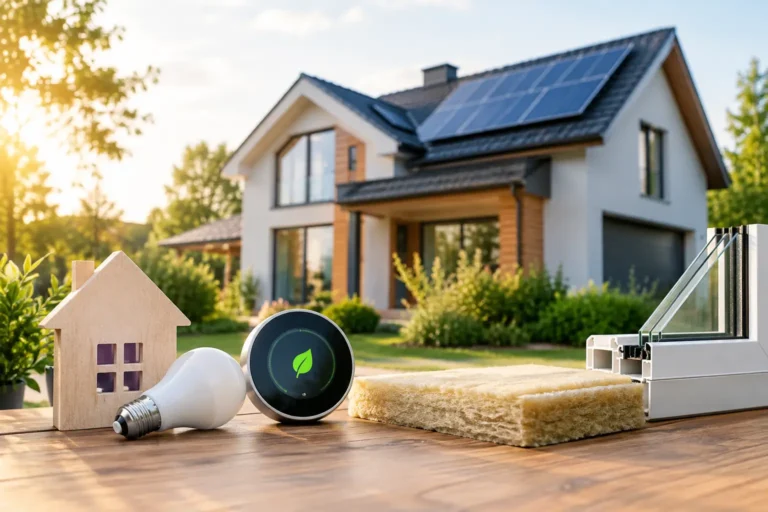
A home can look beautifully renovated and still feel cold near the windows, stuffy upstairs, or expensive to heat and cool. The best energy efficient home upgrades address those everyday frustrations first. When planned as part of a kitchen remodel, bathroom renovation, basement finish, or larger home update, they can make each room more comfortable while reducing waste behind the walls.
For homeowners, the right choice is rarely a single product. Real results come from understanding how insulation, air sealing, ventilation, heating equipment, windows, and appliances work together. A trusted renovation contractor can help prioritize improvements that fit the home, the budget, and the way your family actually lives.
Start With the Home’s Biggest Energy Losses
Before selecting finishes or replacing equipment, identify where the home is losing energy. In many older homes, the biggest issues are not visible from the driveway. Air leaks around attic penetrations, poorly insulated exterior walls, unsealed basement rim joists, and aging ductwork can force heating and cooling systems to work far harder than they should.
A professional home energy assessment can be useful, especially before a major renovation. It can reveal drafts, insulation gaps, moisture concerns, and rooms with inconsistent temperatures. Even without a formal assessment, recurring signs deserve attention: ice dams, condensation on windows, a basement that never feels warm, or a second floor that overheats in summer.
This step matters because a new furnace or air conditioner cannot fully solve problems caused by a leaky building envelope. In fact, installing oversized equipment before improving insulation and air sealing can lead to short cycling, uneven comfort, and unnecessary expense.
Improve Insulation and Air Sealing First
Insulation slows heat transfer, while air sealing stops uncontrolled air movement. They are related, but neither replaces the other. Adding insulation without sealing leaks can leave conditioned air escaping through gaps around wiring, plumbing, recessed lights, and framing connections.
Attics often offer one of the clearest opportunities for improvement. Warm air naturally rises during the heating season, so inadequate attic insulation and air leaks can make upper rooms uncomfortable and raise utility bills. Proper attic work includes sealing bypasses before insulation is added, while preserving the ventilation strategy needed to manage moisture.
Basements deserve equal attention. Insulating foundation walls, sealing the rim joist, and addressing moisture before finishing a basement can create a noticeably more usable space. It also helps protect flooring, drywall, and furnishings from the problems that can develop when a cold foundation meets warm indoor air.
Wall insulation is more complicated. Opening exterior walls during a renovation creates an opportunity to improve insulation, but the best approach depends on the wall assembly, local code requirements, moisture management, and the condition of the existing structure. This is a place where careful planning protects both comfort and the long-term durability of the renovation.
Choose Windows for Comfort, Not Just Appearance
New windows can improve curb appeal, reduce drafts, and make rooms quieter. They can also improve efficiency, but replacement windows are not always the first upgrade a homeowner should make. If the attic is under-insulated or major air leaks are present, addressing those issues may produce a stronger return for the budget.
When window replacement makes sense, focus on performance as well as style. Look at the full window system, including glass coatings, frame construction, weatherstripping, installation quality, and how the window suits the room’s exposure. A large west-facing window may need a different glazing approach than a shaded bedroom window.
Professional installation is essential. Even a high-quality window can underperform if the opening is not properly flashed, insulated, and sealed. The goal is not simply to fit a window into a wall. It is to create a durable connection between the window, the exterior weather barrier, and the interior finish.
Make Heating and Cooling Work Smarter
Once the home is better sealed and insulated, it becomes easier to select heating and cooling equipment that is properly sized. High-efficiency furnaces, heat pumps, air conditioners, and smart thermostats can all lower energy use, but the right combination depends on the home and household.
Heat pumps are increasingly appealing because they can provide efficient heating and cooling from one system. They may be an excellent option during a full renovation or when existing equipment is nearing the end of its service life. However, electrical capacity, ductwork condition, climate, equipment location, and upfront cost all need to be considered before making the change.
Ductwork also deserves attention. Leaky, undersized, or poorly routed ducts can waste energy and create hot and cold spots. During a basement renovation, ducts are often easier to access and improve before ceilings are closed. Thoughtful planning can preserve headroom while ensuring the system can deliver air where it is needed.
Smart thermostats are a smaller upgrade with practical value, particularly for households with predictable schedules. They can help manage temperatures when the home is empty, but they are not a substitute for a well-designed heating and cooling system. Comfort should still be the priority in occupied rooms.
Build Efficiency Into Kitchen and Bathroom Renovations
Kitchens and bathrooms use a large share of a home’s water and electricity, making them natural places for targeted upgrades. The key is to select efficient features that also support daily routines.
In a kitchen, energy-efficient appliances can reduce ongoing electrical use, especially when replacing older models. Induction cooktops are a strong option for many homeowners because they heat quickly, offer precise control, and keep the surrounding surface cooler than traditional electric coils. They do require compatible cookware, and some homes may need electrical upgrades, so this should be reviewed during the design stage.
Lighting makes a meaningful difference as well. LED fixtures use less energy and last longer than older bulb types, but placement matters more than simply adding more fixtures. Layered lighting over work areas, islands, and dining spaces creates a functional kitchen without over-lighting the room.
For bathrooms, low-flow toilets, efficient shower fixtures, and quality exhaust fans can reduce water use and help control humidity. A properly sized fan, vented to the exterior, is particularly important. It helps prevent moisture from lingering after showers, protecting paint, trim, and finishes while making the room more comfortable.
Plan Electrical Upgrades Before Walls Close
A renovation is often the most practical time to prepare a home for future energy needs. If walls or ceilings are already open, consider whether the electrical panel has capacity for a heat pump, induction range, electric vehicle charger, additional circuits, or future solar equipment.
Not every home needs every upgrade immediately. Still, running conduit, improving panel capacity, or adding dedicated circuits during construction can be far less disruptive than reopening finished spaces later. This is especially valuable for homeowners completing a phased renovation over several years.
Clear planning prevents expensive surprises. A contractor who coordinates the renovation with qualified electrical and mechanical professionals can help homeowners understand what is needed now, what can wait, and where a small investment today may create flexibility later.
Avoid the Most Common Efficiency Mistakes
The most common mistake is spending the entire budget on visible finishes while ignoring comfort issues behind the walls. A striking new basement or kitchen is more enjoyable when it does not have cold floors, drafts, or humidity problems.
Another mistake is treating every upgrade as a guaranteed payback calculation. Some improvements, such as insulation and air sealing, often provide clear savings over time. Others deliver value through quieter rooms, more stable temperatures, lower maintenance, and stronger resale appeal. Those benefits are real, even when they are harder to measure on a monthly bill.
Finally, avoid making changes without considering moisture. Homes need to be sealed thoughtfully, not sealed carelessly. Better air sealing should be paired with appropriate ventilation so indoor air quality and moisture control are not compromised.
A Better Way to Prioritize Energy Efficient Home Upgrades
Start with the work that protects the house and improves everyday comfort: moisture control, air sealing, insulation, and mechanical systems. Then consider windows, appliances, lighting, and smart controls as part of the larger plan. This order helps prevent rework and makes every dollar work harder.
For a renovation in Hamilton, Burlington, Ancaster, Oakville, Grimsby, or Stoney Creek, seasonal temperature swings make this planning especially worthwhile. A home should feel comfortable on a humid summer afternoon and during a cold winter morning, not only when the thermostat is set high.
The best upgrade is the one that fits your home rather than a trend. When efficiency is planned alongside quality craftsmanship and thoughtful design, the result is a home that looks finished, feels better every day, and is prepared to serve your family well for years to come.
