
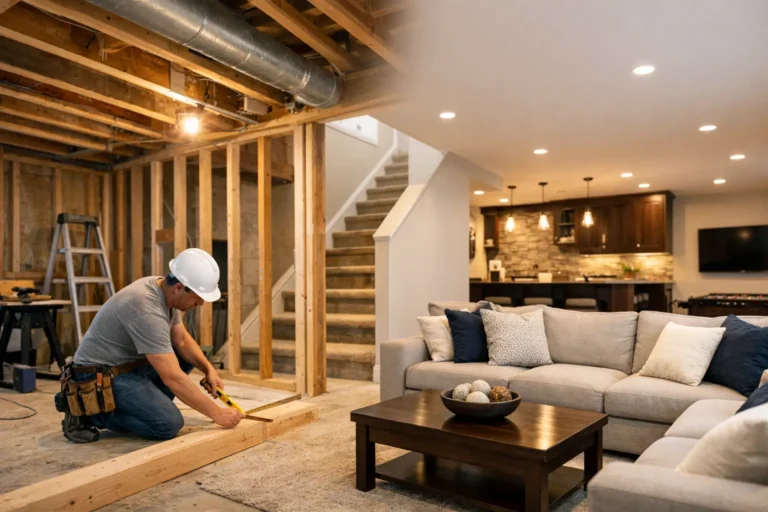
A basement can be a cold storage area that collects boxes, or it can become the room your family uses most. So, is basement finishing worth it? For many homeowners, the answer is yes – but only when the project solves a real need, addresses moisture and safety first, and is planned around a realistic budget.
A well-finished basement adds usable square footage without changing your home’s footprint. It can create room for kids to play, a comfortable guest area, a home office, a media room, or a workout space. The best return is often not just what the project may add at resale. It is the daily value of having a home that works better for the people living in it now.
When a Finished Basement Makes Sense
Basement finishing is usually a strong investment when your household needs more functional space but moving or building an addition does not make sense. A family that has outgrown the main floor may gain a second living room and a dedicated play area. A homeowner who works remotely may finally have a quiet office with a door. Even a modest finished space can reduce clutter upstairs and give everyone more breathing room.
It can also make sense when you plan to stay in the home for several years. A basement renovation is not always the quickest way to recoup every dollar in a sale price, especially if the finishes are highly personal or the project is completed just before listing. But when you will enjoy the space over time, the lifestyle return becomes a meaningful part of the decision.
In Hamilton and nearby communities, finished basements are often appealing because they help older homes adapt to modern family life. Rather than treating the lower level as an afterthought, thoughtful design can make it feel connected to the rest of the home.
Is Basement Finishing Worth It for Resale Value?
A finished basement can improve buyer interest and support your home’s market appeal, particularly when the work is dry, bright, properly permitted, and professionally completed. Buyers tend to respond well to homes that offer flexible living areas, extra storage, and a finished space that does not feel dark or improvised.
Still, resale value should not be the only measure. Renovation costs vary widely based on the basement’s condition, the size of the space, the need for a bathroom, electrical upgrades, insulation, flooring, and custom features. A high-end theater room may be exactly right for your family, but it may not deliver the same return as a versatile family room with a full bathroom and good storage.
The goal is to improve the home in a way that feels broadly useful while meeting your priorities. Neutral, durable finishes, practical lighting, and a flexible layout generally serve both everyday living and future resale better than trend-driven choices that may date quickly.
Start With the Basement You Have
The most important basement-finishing decision happens before anyone chooses paint colors or flooring. The space must be evaluated for water, structural concerns, ceiling height, mechanical equipment, and access. Finishing over a moisture issue can lead to damaged drywall, odors, mold concerns, and an expensive redo.
Look for signs such as damp walls, efflorescence, musty smells, recurring puddles, cracks that appear to be changing, or an unreliable sump pump. These do not automatically rule out a renovation, but they should be addressed first. Proper waterproofing, drainage improvements, and foundation repairs are investments in the entire home, not optional extras.
Ceiling height matters as well. Ductwork, beams, plumbing lines, and bulkheads need to be incorporated into the plan carefully. An experienced renovation contractor can often improve the feel of a lower ceiling through layout, recessed lighting, paint choices, and thoughtful placement of finished soffits. The goal is not to pretend those elements do not exist. It is to make them feel intentional.
Budget for the Work Behind the Walls
A basement may look like an open canvas, but much of its cost is in the systems homeowners will not see once the project is complete. Framing, insulation, vapor control, electrical wiring, plumbing, heating and cooling, drywall, soundproofing, and fire safety all shape the quality and longevity of the finished space.
Adding a bathroom or kitchenette increases both convenience and complexity. Plumbing rough-ins, drainage requirements, ventilation, waterproof finishes, and fixtures should be scoped clearly from the beginning. Similarly, a legal bedroom requires more than a bed and a closet. It may need code-compliant emergency egress, proper ceiling height, smoke and carbon monoxide alarms, and other local requirements.
It is wise to include a contingency in the budget, particularly in older homes. Once walls or floors are opened, a contractor may find outdated wiring, plumbing issues, or previous work that needs correction. Clear planning and honest communication help prevent surprises, but a reasonable reserve keeps necessary decisions from becoming stressful ones.
Prioritize Comfort, Not Just Square Footage
The difference between a basement that looks finished and one that feels genuinely comfortable comes down to details. Insulation and air sealing help control temperature. Soundproofing can make a basement office, bedroom, or media room more private. Quality lighting prevents the space from feeling like an underground afterthought.
Layered lighting works especially well below grade. Recessed ceiling lights provide general brightness, while wall sconces, floor lamps, and under-cabinet lighting add warmth and reduce shadows. Light-colored walls, durable flooring, and strategically placed mirrors can also make a smaller basement feel more open.
Storage deserves attention early in the design. Mechanical rooms, seasonal items, sports equipment, and household supplies still need a home. Building storage into closets, under stairs, or custom cabinetry keeps the finished area usable long after the renovation is complete.
Permits and Safety Are Part of the Value
Skipping permits may seem like a way to save time or money, but it can create problems later when you sell, refinance, or make an insurance claim. Permit requirements vary by municipality and by the scope of work. Electrical, plumbing, structural changes, bedrooms, and secondary-suite work often involve approvals and inspections.
Proper permits help verify that the work meets applicable building and safety standards. They also encourage the right questions early: Is there a safe exit? Is the electrical system adequate? Does the bathroom have appropriate ventilation? Is fire separation needed around utility areas?
A dependable contractor should explain what is included in the scope, what approvals may be needed, and how the schedule may be affected. That clarity is part of protecting your investment.
Choose a Layout That Can Change With You
The most valuable basement is rarely the one with the most specialized features. A flexible plan can serve young children today, teenagers a few years from now, and guests or aging family members later. Consider combining a main recreation area with a small office or hobby room rather than dedicating every square foot to one purpose.
If you want a bedroom, think through privacy, natural light, storage, and bathroom access. If you want a gym, plan for flooring, ceiling clearance, ventilation, and sound transfer. If entertaining is the priority, include enough seating, a practical serving area, and lighting that can shift from bright to relaxed.
Good basement design is personal, but it should also be disciplined. Every choice should support how your household actually lives rather than how a showroom suggests you should live.
The Bottom Line for Homeowners
Basement finishing is worth it when it turns underused space into a dry, safe, comfortable part of your home and when the budget reflects the work required to do it properly. It may be less worthwhile if the foundation has unresolved water issues, you expect to move immediately, or the project would stretch your finances too far.
A careful plan, quality craftsmanship, and straightforward communication make the difference between simply adding finished square footage and creating a space your family will genuinely enjoy. Before committing, walk through your daily routines and picture what would make your home easier to live in. That answer is usually the best starting point for a basement renovation.
