
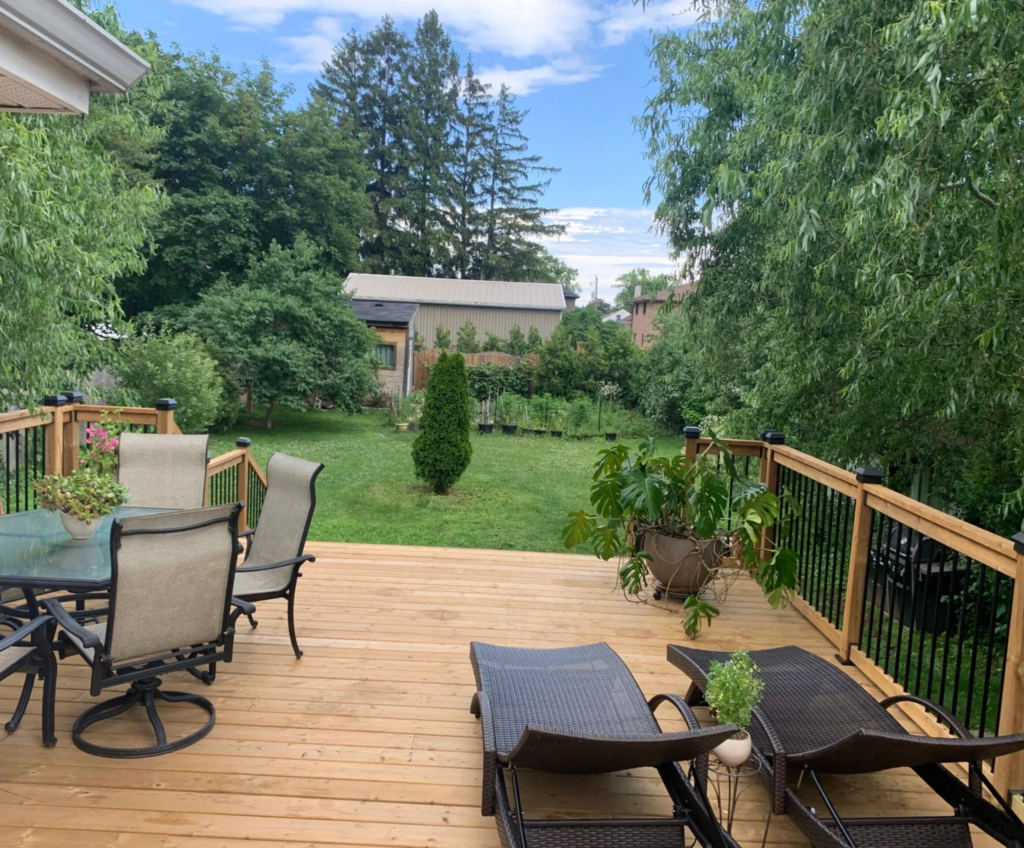
Your Step-by-Step Guide To Successful Home Improvement
Transforming your home can be both exciting and overwhelming. Whether you are planning a single-room upgrade or a home improvement, understanding the home improvement process is key to achieving a beautiful, functional, and lasting result. This guide will take you through each step of the home improvement process, helping you plan, renovate, and execute your dream home renovation. 1. Assess Your Home And Define Goals Before starting any home improvement, evaluate your current space. Identify what needs improvement, whether it’s outdated interiors, lack of functionality, or increasing the home’s value. Define your goals clearly: This initial assessment sets a clear direction for the renovation process. 2. Set A Budget A well-planned home improvement project requires a realistic budget. Consider all costs, including materials, labor, permits, and unexpected expenses. Allocating funds properly ensures your home improvement project stays on track and prevents overspending. 3. Design And Planning Good planning is essential for a successful home improvement project. Decide on: Working with a professional designer or contractor can help bring your vision to life while ensuring structural integrity and functional spaces. 4. Hiring Professionals Most home improvement projects require skilled professionals. Hiring experienced contractors, electricians, plumbers, and designers ensures quality results. Check references, reviews, and past projects before finalizing your team. This step is crucial for a smooth home improvement process. 5. Permits And Regulations Depending on the scope of your project, local building permits may be required. Ensuring compliance with regulations avoids legal issues and ensures safety. This is especially important for structural changes, plumbing, and electrical work. 6. Execution Of Home Remodeling Once planning and permits are in place, the home improvement process begins: Regular monitoring of the work ensures quality and adherence to the original plan. Open communication with your contractor is key. 7. Final Inspection And Decoration After construction, conduct a thorough inspection to check for any issues. Complete finishing touches, including furniture placement, décor, and lighting. This step transforms your renovated space into a comfortable, stylish, and fully functional home. 8. Maintenance And Long-Term Care Proper maintenance ensures your home improvement investment lasts. Regular cleaning, timely repairs, and preventive measures help retain the beauty and functionality of your upgraded home. Conclusion A successful home improvement process combines careful planning, smart budgeting, professional execution, and attention to detail. Whether upgrading a single room or undertaking a full-scale home improvement project, following these steps ensures a stress-free experience and a beautifully transformed home. Start planning today and turn your house into the dream home you’ve always wanted.