
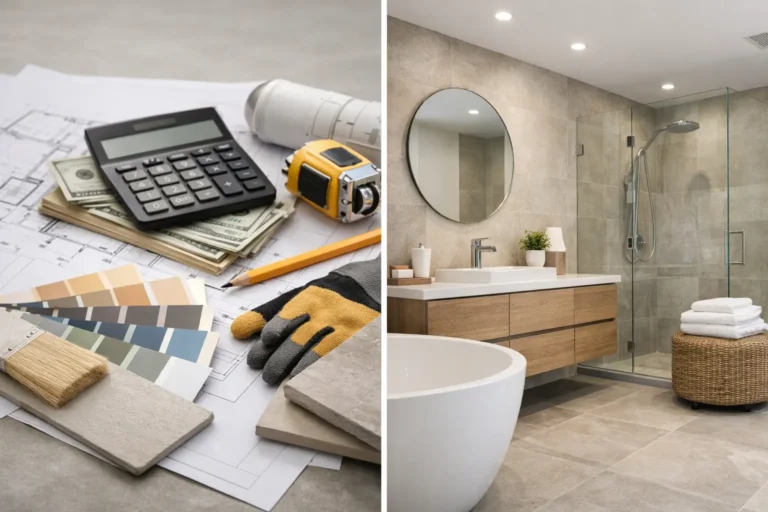
Sticker shock usually shows up after the tile samples, not before. A bathroom can look simple on the surface, but once walls are opened, fixtures are upgraded, and labor is factored in, the real budget comes into focus. If you are asking what is average bathroom renovation cost, the honest answer is that most homeowners are looking at a wide range based on size, materials, layout changes, and the condition of the existing space.
For a standard bathroom renovation, many homeowners spend somewhere between $12,000 and $30,000. A smaller cosmetic refresh may land closer to $8,000 to $15,000, while a more custom or higher-end remodel can move past $35,000. That range is broad for a reason. Bathrooms pack plumbing, electrical, waterproofing, tile work, cabinetry, and finish selections into a relatively small footprint, so small choices can shift the total faster than people expect.
What is average bathroom renovation cost for most homes?
The average cost depends first on what kind of bathroom you are renovating. A powder room will usually cost less than a main family bathroom, and a primary ensuite with a larger shower, double vanity, and premium finishes will cost more.
A basic renovation often includes keeping the same layout, replacing the vanity, toilet, flooring, lighting, and updating the tub or shower area with standard materials. That kind of project usually stays in the lower to middle part of the range. A mid-range remodel may include better tile, upgraded fixtures, a glass shower enclosure, custom storage, and more detailed finish work. A high-end renovation typically includes layout changes, premium stone or tile, custom cabinetry, heated floors, niche lighting, and specialty plumbing fixtures.
That is why average numbers are useful only as a starting point. They help set expectations, but they do not tell you what your bathroom will cost until the project scope is clear.
The biggest factors that affect bathroom renovation cost
Size matters, but it is not the only thing driving the budget. In many cases, the hidden work behind the walls matters just as much as the square footage.
Layout changes
If you keep the sink, toilet, and shower or tub in the same locations, you will usually save a meaningful amount on plumbing and labor. Once you start moving drain lines, water lines, or electrical, the complexity rises. Even a modest layout adjustment can add cost because it affects multiple trades, not just one.
Tile and waterproofing
Tile is one of the biggest variables in any bathroom renovation. A simple porcelain floor and standard tub surround cost far less than large-format tile, full-height shower walls, detailed patterns, or natural stone. Labor also changes with the material. Some tile installs are straightforward. Others require more cuts, more prep, and more time.
Waterproofing is another area where cutting corners is risky. Done properly, it protects your home from leaks and long-term damage. It is not the flashy part of the renovation, but it is one of the most important parts.
Fixtures and finishes
A toilet can cost a few hundred dollars or much more depending on design and features. The same goes for faucets, shower valves, lighting, mirrors, and hardware. Homeowners often focus on the big-ticket items first, but the finish selections add up quickly.
This is where budgeting with intention helps. It is possible to get a polished, durable result without choosing the most expensive option in every category.
Vanity and storage
Stock vanities are typically more budget-friendly than custom cabinetry, but they may not make the best use of your space. If your bathroom is tight or has awkward dimensions, custom storage can improve the room dramatically. It also comes at a higher cost.
A well-designed vanity is not just about looks. It affects how the room functions every day, especially for busy households that need more storage and counter space.
Age and condition of the existing bathroom
Older bathrooms can hide surprises. Water damage, mold, uneven subfloors, outdated wiring, poor ventilation, or plumbing issues can all add work once demolition begins. These are not optional repairs if you want the new bathroom to perform properly.
This is one reason experienced contractors build contingency planning into the conversation early. It is better to prepare for possible corrections than to be blindsided halfway through the project.
Cost ranges by renovation level
When homeowners ask what is average bathroom renovation cost, they are often really asking what they can expect for their budget. Looking at renovation levels is usually more helpful than looking at one average number.
A cosmetic update in the $8,000 to $15,000 range may include a new vanity, toilet, basic flooring, paint, updated light fixtures, and limited tile work, especially if the existing layout and plumbing stay in place.
A mid-range renovation in the $15,000 to $25,000 range often includes a new tub or shower, tile flooring, wall tile, better lighting, upgraded plumbing fixtures, a new vanity, improved ventilation, and more polished finish details.
A more custom renovation in the $25,000 to $40,000 and up range may involve layout changes, a walk-in shower with glass enclosure, custom vanity, heated flooring, premium tile, recessed lighting, and design-driven details that make the bathroom feel tailored to the home.
None of these ranges are absolute. Material choices, labor rates, and site conditions all matter. Still, they give homeowners a practical way to frame the conversation before design decisions begin.
Where homeowners often overspend
The most common budget problem is not one big mistake. It is a series of small upgrades that seem manageable on their own. A nicer faucet here, upgraded tile there, a better mirror, a custom niche, a frameless glass panel. Individually, each choice feels reasonable. Together, they can push the budget well past the original plan.
Another issue is underestimating labor. Bathrooms require skilled coordination, and quality installation matters. A lower quote may not include the same level of prep, waterproofing, finish work, or project management. Price matters, but so does what is actually included.
How to budget for a bathroom renovation without regret
Start with your priorities, not your Pinterest board. Decide what matters most in daily life. For one homeowner, that may be a larger shower. For another, it may be better storage, easier cleaning, or improved lighting.
Next, separate must-haves from nice-to-haves. If your budget has limits, this keeps the project grounded. You can invest where it counts most and simplify where it does not impact function as much.
It also helps to leave room for contingency. In an older home especially, setting aside 10 to 15 percent for unexpected conditions is a practical move. If you do not need it, great. If you do, it protects the rest of the project.
Working with a contractor who gives clear scope details is another major advantage. Homeowners should know what is included, what assumptions are being made, and where costs can shift. That kind of transparency makes decisions easier and helps avoid frustration later.
Is a bathroom renovation worth the cost?
In many cases, yes, but value is not just about resale. A bathroom is one of the most used rooms in the house. If it is cramped, dated, hard to clean, or not functioning well for your family, the impact is daily.
A well-planned renovation can improve comfort, storage, lighting, water efficiency, and overall livability. It can also make the home feel more cared for and more aligned with how you want to live. For homeowners planning to stay put, that day-to-day value matters just as much as market appeal.
In established homes around Hamilton, Burlington, Ancaster, and nearby communities, bathroom updates are often part of a larger effort to modernize the home without giving up the neighborhood they already love. That makes thoughtful budgeting even more important. You want a space that looks great, works hard, and holds up over time.
What to ask before getting a quote
Before you request pricing, know whether you want a surface-level update or a full renovation. Think about whether the current layout works, what storage you need, and how much finish quality matters to you.
It is also smart to ask how allowances are handled, what happens if hidden damage is found, and whether the quote includes demolition, disposal, waterproofing, tile installation, plumbing fixture installation, painting, and finish carpentry. Two quotes can look similar at first glance while covering very different scopes.
At HB Renovations, the most successful bathroom projects usually start with a clear conversation. When homeowners understand the trade-offs early, they make stronger decisions and end up with a finished space that feels right for both their home and their budget.
If you are planning a bathroom remodel, treat the average cost as a guide, not a promise. The better question is not just what the average homeowner spends, but what level of renovation makes sense for the way you live. That is where a good budget turns into a bathroom you will actually enjoy using every day.
