
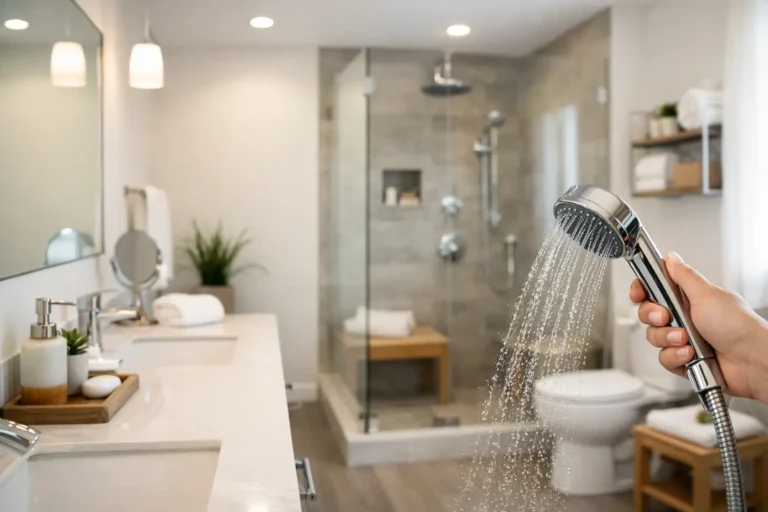
A bathroom can look fine in photos and still frustrate you every morning. The vanity is too small, the shower feels cramped, the lighting is harsh, and there is never quite enough storage where you need it. That is why bathroom renovations are rarely just about appearance. Done well, they improve how the room works when life is busy, when kids are sharing it, or when you simply want a space that feels easier to use.
For most homeowners, the real goal is not a showroom-perfect bathroom. It is a room that feels cleaner, functions better, and holds up to daily wear without constant maintenance. That takes more than picking tile and fixtures. It takes planning, honest trade-offs, and a contractor who understands how design decisions affect the way you live.
What bathroom renovations should actually solve
The best renovation plans start with the problems, not the finishes. If your bathroom lacks storage, changing the floor tile will not fix that. If moisture builds up after every shower, a new vanity alone will not address ventilation. If two people use the room at the same time and constantly get in each other’s way, layout matters more than color.
This is where many projects go off course. Homeowners understandably focus on visible upgrades first because those are easier to picture. But the most valuable improvements are often behind the walls or built into the layout. Better waterproofing, smarter lighting placement, improved airflow, and storage that fits your routine can make a bigger difference than a trend-driven finish package.
A good renovation should solve practical issues while still making the room feel more current and more comfortable. That balance is what gives the project long-term value.
Planning bathroom renovations around real life
Every household uses a bathroom differently, so the right plan depends on who uses the space and how often. A primary ensuite has different priorities than a family bathroom. A guest bathroom can lean more decorative. A main bath used by children needs durable materials, easier cleaning, and layout choices that support busy mornings.
Before materials are selected, it helps to ask a few direct questions. Do you need more counter space or more concealed storage? Is the tub used regularly, or is it taking up space that would be better used for a larger shower? Is the current lighting flattering and functional, or does it leave dark spots around the mirror? These details shape the renovation far more than style boards do.
In older homes, planning also has to account for the realities of the existing structure. Plumbing locations, floor leveling, wall conditions, and ventilation may limit some ideas or increase costs. That does not mean the project cannot be transformative. It just means the best plan is one grounded in what the house can support.
Layout changes can be worth it, but not always
One of the biggest decisions in bathroom renovations is whether to keep the existing layout or rework it. Keeping plumbing in roughly the same locations usually helps control cost and timeline. If your current footprint is functional, that can be the smartest move. You can still achieve a dramatic result through better finishes, improved storage, and more thoughtful fixture choices.
But sometimes the layout is the problem. A door swing may interfere with the vanity. A tub may make the room feel tighter than it needs to. A poorly placed toilet can affect privacy and sightlines. In those cases, layout changes can improve the room every single day.
The key is to weigh the return against the disruption. Moving plumbing, adjusting walls, or replacing a tub with a custom shower often adds labor and complexity. If that extra investment solves a daily frustration, it may be money well spent. If the change is mainly cosmetic, it may not be the best place to stretch the budget.
Materials matter more in a bathroom
Bathrooms are hard-working rooms. Heat, moisture, soap residue, and frequent cleaning all take a toll. That is why material selection matters so much here. A surface that looks great on day one but shows water spots, chips easily, or needs delicate care can become disappointing fast.
Tile remains a strong choice because of its durability and design flexibility, but not every tile performs the same way. Large-format tile can create a cleaner, less busy look with fewer grout lines, though it may be less forgiving in smaller or uneven spaces. Natural stone can be beautiful, but it usually requires more maintenance than porcelain. Matte finishes may reduce glare and help hide water marks, while polished surfaces often read more formal and reflective.
Vanity materials deserve similar attention. Storage quality, drawer construction, and countertop durability affect the day-to-day experience as much as style does. Quartz remains a popular option because it is durable and easy to maintain. For flooring, slip resistance should be part of the conversation, especially in households with children or older adults.
There is no single best material package for every home. The right choice depends on how much maintenance you want, how the room is used, and where you want to invest for the biggest payoff.
Lighting, ventilation, and storage are often underestimated
A beautiful bathroom can still feel disappointing if these three elements are overlooked. Lighting should help you see clearly without feeling clinical. That usually means layering light rather than relying on one ceiling fixture. Vanity lighting at the right height reduces shadows, and dimmable ambient lighting can make the room feel calmer in the evening.
Ventilation is just as important, especially in bathrooms that trap humidity. A properly sized exhaust fan helps protect paint, grout, and cabinetry from moisture damage over time. It also makes the room more comfortable to use. This is not the glamorous part of a renovation, but it protects the investment.
Storage should be planned around what actually needs to live in the room. Deep drawers, recessed niches, medicine cabinets, linen towers, and vanity organizers all solve different problems. Open shelving can look nice, but in many family bathrooms it ends up collecting clutter. Closed storage often works better if your goal is a cleaner, calmer look.
Budgeting for bathroom renovations without surprises
Most homeowners have a target budget, but the smarter approach is to separate must-haves from nice-to-haves early. Waterproofing, quality installation, plumbing work, and proper ventilation should not be treated as optional upgrades. These are the parts of the job that protect the room and prevent avoidable repairs later.
Where flexibility usually exists is in finish selections. You can often create a high-end look by mixing statement pieces with simpler materials in less visible areas. A standout vanity or shower tile can carry the design while other selections stay more budget-conscious.
It is also wise to leave room for unknowns, especially in older bathrooms. Once demolition begins, hidden issues such as water damage, outdated plumbing, or uneven framing can come to light. Clear communication during this stage matters. Homeowners should know what is essential, what is optional, and how each decision affects cost and schedule.
That is one reason many homeowners prefer working with a full-service contractor such as HB Renovations. Having one team guide planning, materials, and construction tends to reduce confusion and keep decisions aligned with the original goals.
Style should last longer than trends
There is nothing wrong with wanting a bathroom to feel current. The caution is building the whole room around looks that may feel dated in a few years. A better approach is to keep the larger, more expensive selections grounded in timeless design and bring in personality through lighting, mirrors, hardware, or paint.
Warm neutrals, natural textures, simple tile patterns, and clean-lined fixtures tend to age well. That does not mean every bathroom should look identical. It means the foundation of the room should still feel solid even if your taste shifts over time.
This matters even more if resale is part of the equation. Buyers appreciate a bathroom that feels updated, but they also respond to practicality. A well-lit vanity, durable finishes, good storage, and a clean layout often matter more than highly specific design choices.
Choosing the right contractor shapes the whole experience
A bathroom is a small space with a lot happening inside it. Plumbing, electrical, tile work, waterproofing, ventilation, finish carpentry, and fixture installation all need to come together cleanly. That is why craftsmanship and coordination matter so much.
Homeowners should look for a contractor who communicates clearly, explains trade-offs, and treats the project with care from the start. The right team will help you make decisions that fit your budget without cutting corners where it counts. They will also be realistic about timeline, disruption, and what your home needs behind the walls, not just what looks good on the surface.
The best bathroom renovations do not simply replace old materials with new ones. They make the room easier to live with, easier to maintain, and better suited to the people who use it every day. When that is the standard, the finished space feels good long after the dust has settled.
