
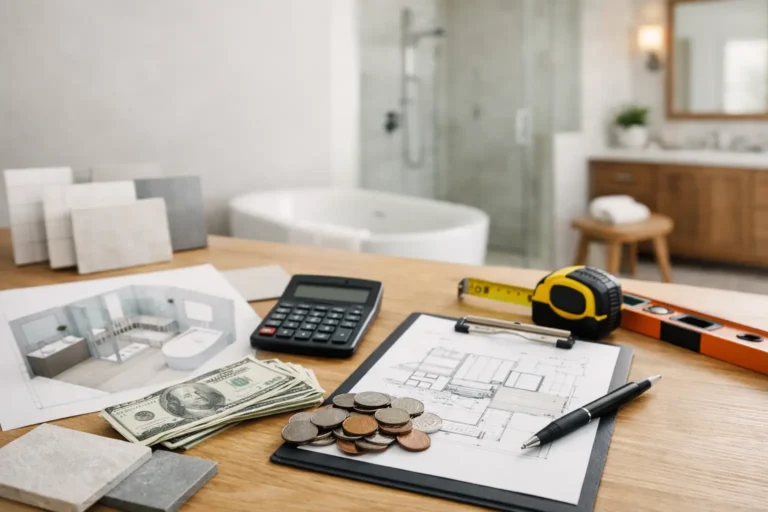
Sticker shock usually shows up in the bathroom first. A tile choice that looked reasonable online can shift the budget fast once labor, waterproofing, plumbing updates, and fixture quality enter the picture. That is why a bathroom renovation cost guide matters – not as a rough guess, but as a practical way to understand where your money goes and how to spend it wisely.
For most homeowners, the real question is not just, “What does a bathroom remodel cost?” It is, “What will my bathroom cost based on its size, age, layout, and the level of finish I want?” The answer depends on more than square footage. It depends on whether you are keeping the layout, how much hidden repair work is waiting behind the walls, and whether the goal is a clean refresh or a full transformation.
Bathroom renovation cost guide: what most projects include
A bathroom renovation typically combines several trades and materials in a small footprint. That is one reason costs can feel higher than expected. Even a compact hall bathroom may involve demolition, plumbing, electrical work, waterproofing, tiling, drywall repair, painting, trim, ventilation, and fixture installation.
If you are doing a cosmetic update and keeping the existing layout, costs stay more controlled. Think new vanity, toilet, lighting, paint, mirror, and possibly flooring. Once you start relocating plumbing, replacing a tub with a custom shower, or upgrading to premium finishes, the budget rises quickly.
As a general range, many standard bathroom remodels fall somewhere between $15,000 and $35,000. A smaller guest bath refresh may come in lower, while a larger primary bathroom with custom tile work, frameless glass, and higher-end fixtures can easily exceed that range. If structural changes, water damage repair, or luxury features are involved, the number can move well beyond it.
What drives bathroom renovation costs the most?
Layout changes are one of the biggest cost drivers. Moving a toilet, shower drain, or main plumbing lines adds labor, materials, and often inspection requirements. Keeping fixtures in the same location usually gives you more room in the budget for visible upgrades.
Tile is another major factor. Many homeowners focus on the tile price per square foot, but labor is often the bigger number. Large-format tile, intricate patterns, niche details, shower benches, and full-height wall tile all take more time to install properly. The end result can be worth it, but it should be a deliberate choice.
The condition of the existing bathroom also matters. In older homes, opening the walls can reveal outdated plumbing, weak subfloors, poor ventilation, or previous water damage. These are not glamorous expenses, but they are the kind that protect your home and prevent repeated problems later.
Then there is product selection. A stock vanity and standard faucet can look excellent in the right design. On the other hand, custom cabinetry, stone surfaces, premium plumbing fixtures, heated floors, and specialty glass can move a project into a different budget category. Neither approach is wrong. The right choice depends on how long you plan to stay in the home and what level of performance you expect.
Budget tiers homeowners can actually use
A helpful bathroom renovation cost guide should give you realistic tiers, not vague promises. While every project is different, these ranges can help set expectations.
A basic renovation often focuses on replacing worn finishes without changing the footprint. This might include a new vanity, toilet, standard tub or shower surround, updated lighting, paint, and durable but straightforward flooring. In many cases, this type of project lands around $15,000 to $20,000.
A mid-range remodel usually includes a stronger design upgrade. You may be looking at tiled shower walls, a better vanity with more storage, quartz or stone countertops, improved lighting, upgraded plumbing fixtures, and cleaner finish details throughout. This level often falls between $20,000 and $35,000.
A higher-end remodel tends to involve larger showers, frameless glass, custom tile work, built-in storage, premium fixtures, heated floors, double vanities, and more tailored craftsmanship. Once you reach this level, costs often start around $35,000 and can climb based on complexity and materials.
These are not one-size-fits-all numbers. A small bathroom with expensive finishes can cost more than a large bathroom with simple materials. Scope matters more than size alone.
How to spend smart without cutting the wrong corners
The best bathroom budgets are balanced. Homeowners usually regret overspending on trend-driven details if they had to cut back on function, storage, or installation quality to make it happen.
Start with the parts of the room that matter every day. A well-built vanity, proper lighting, reliable ventilation, and quality waterproofing make a bigger long-term difference than a flashy fixture you barely notice after a month. If the bathroom gets daily use, comfort and durability should lead the conversation.
It also helps to choose where to save and where to invest. You might select a more affordable mirror or light fixture while spending more on tile installation and shower waterproofing. You might keep the existing layout to avoid plumbing costs, then use that savings for a better shower system or a vanity with real storage.
One practical strategy is to identify your must-haves early. If a curbless shower, double sink, or heated floor is a priority, build around that first. It is much easier to trim decorative extras than to retrofit key features after the project is underway.
Hidden costs that catch homeowners off guard
Bathrooms are small, but they are full of systems. That is why hidden conditions can affect the budget more than people expect.
Subfloor repair is common, especially around tubs, toilets, and older shower areas where leaks may have gone unnoticed. Ventilation upgrades are another frequent issue. If the bathroom has poor airflow, the room may need a better fan or ducting changes to handle moisture properly.
Electrical work can also expand once the walls are open. GFCI protection, dedicated circuits, code updates, and better lighting layouts are all worthwhile improvements, but they need to be priced honestly. The same goes for plumbing upgrades if old shut-off valves, drain lines, or supply lines are no longer in good condition.
This is one reason experienced homeowners ask about contingency. A reasonable renovation budget often includes a buffer for the unknown, especially in older homes. That does not mean assuming the worst. It means planning like a responsible homeowner.
Bathroom renovation cost guide for planning your quote
If you want an accurate quote, clarity matters more than collecting a stack of random estimates. Contractors can only price what they understand. The more specific you are about your goals, the better the numbers will be.
Start by deciding whether you want a refresh or a full remodel. Are you replacing finishes, or are you changing how the room functions? Do you want a tub removed, better storage, more light, or easier cleaning? Those choices affect labor as much as materials.
It also helps to share your budget range honestly. That is not about giving up negotiating power. It is about helping the contractor recommend the right level of materials and scope. A trustworthy contractor should be able to tell you what is realistic, where your money will have the most impact, and what trade-offs may be necessary.
For homeowners in Hamilton and nearby communities, that local perspective can be especially valuable in older neighborhoods where bathroom layouts and hidden conditions vary more than people expect. Good planning is not about chasing the lowest number. It is about getting a scope and budget that line up from the start.
Should you renovate all at once or in stages?
If the bathroom is your main one, renovating all at once is often the most efficient route. It reduces repeated labor, shortens overall disruption, and avoids patchwork decisions that can cost more later.
That said, staged updates can make sense in some situations. If the bathroom is functional and you need to spread out spending, you might replace fixtures and finishes now, then plan a larger layout change later. The key is making sure phase one does not create extra work in phase two.
This is where working with a contractor who thinks ahead makes a difference. At HB Renovations, the best projects usually start with a clear conversation about priorities, timing, and how to avoid paying twice for the same decision.
A bathroom renovation should feel like a smart improvement, not a budgeting blind spot. When you understand the real cost drivers and plan around how you live, the investment becomes much easier to manage – and much more satisfying once the room is finished.
