
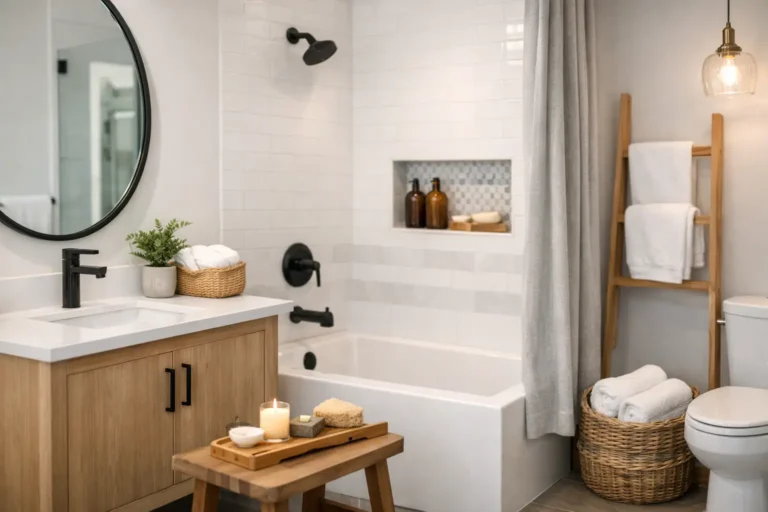
A bathroom does not need a full gut job to feel cleaner, brighter, and easier to use. The best affordable bathroom renovation ideas are usually the ones that solve everyday problems first – poor lighting, worn finishes, limited storage, and layouts that make the room feel tighter than it is.
For most homeowners, budget matters just as much as the final look. That is why the smartest bathroom updates focus on visible impact and long-term function. A few well-chosen changes can make the space feel new without turning a practical renovation into an expensive, open-ended project.
What makes a bathroom renovation affordable?
Affordable does not always mean cheapest. In renovation work, the lowest upfront cost can create higher costs later if materials fail early, water gets where it should not, or installation shortcuts need to be corrected. A better definition is this: you are spending where it improves daily use and durability, and saving where a cosmetic change can deliver the same visual result.
That usually means keeping the existing layout when possible, avoiding unnecessary plumbing moves, and updating surfaces, fixtures, lighting, and storage before replacing everything. If your tub, toilet, and vanity are still in good condition or can be refreshed, that often opens up room in the budget for better tile, improved ventilation, or a more durable countertop.
Affordable bathroom renovation ideas that make the biggest difference
1. Keep the plumbing where it is
If you move a toilet, shower, or sink, costs rise quickly. Plumbing changes often affect labor, permits, waterproofing details, flooring repairs, and wall work. Keeping the same footprint is one of the clearest ways to control the budget.
That does not mean the bathroom has to look the same. A new vanity in the same location, a cleaner tub surround, and updated finishes can completely change the feel of the room while avoiding unnecessary complexity.
2. Refinish instead of replace when it makes sense
A solid vanity cabinet may only need new doors, paint, or hardware. A bathtub that is structurally sound may be worth refinishing rather than removing. Even tile can sometimes be preserved if the issue is more visual than functional.
This is one of those areas where it depends. If there is water damage, mold, soft subfloor, or failing waterproofing, refinishing is not the answer. But when the bones are good, restoring what you already have can stretch the budget without making the project look like a compromise.
3. Choose a stock vanity over custom cabinetry
Custom millwork is excellent when you need every inch tailored, but it is not always necessary. A well-sized stock vanity can look polished, offer strong storage, and cost far less than a fully custom build.
The trick is to spend a little time on selection. Look for durable drawer hardware, practical storage inside, and a style that will age well. Pairing a stock vanity with a quality faucet, a framed mirror, and good lighting often gives the room a more finished appearance than homeowners expect.
4. Use large-format, budget-friendly tile strategically
Tile can become one of the biggest line items in a bathroom. If you want to keep costs in check, use tile where it matters most. Shower walls, floors, and high-splash areas deserve durable, water-resistant finishes. Beyond that, you may not need tile on every surface.
Large-format porcelain tile is often a smart middle ground. It can look elevated, usually costs less than premium natural stone, and has fewer grout lines to maintain. In many bathrooms, a simple field tile with a clean layout looks better than a more expensive tile pattern that makes the room feel busy.
5. Update lighting before you judge the whole room
A surprising number of bathrooms feel dated mainly because the lighting is flat, dim, or poorly placed. Replacing an old vanity light, adding a brighter ceiling fixture, or improving bulb temperature can change how every finish in the room reads.
This is one of the most affordable bathroom renovation ideas because the visual return is immediate. Better lighting helps with daily routines, makes small bathrooms feel more open, and gives paint, tile, and mirrors a cleaner, more intentional look.
Where to save and where not to
Save on finishes that are easy to swap later
Hardware, mirrors, accessories, and even some light fixtures can usually be changed down the road without major disruption. That makes them better candidates for cost-conscious choices, as long as they still fit the design and hold up to normal use.
Paint is another place where you can get a lot of visual value for a modest spend. The right color can make a bathroom feel calmer, larger, or brighter. Soft whites, warm grays, muted greens, and natural tones tend to work well because they feel fresh without looking too trend-driven.
Spend on waterproofing, ventilation, and installation quality
The parts you do not see matter the most in a bathroom. Proper waterproofing behind tile, reliable plumbing connections, adequate ventilation, and careful installation protect the room from moisture problems that can become expensive fast.
This is where working with an experienced contractor matters. Homeowners often focus on finishes because those are visible, but a bathroom is a high-moisture environment. If the tile looks great but the prep was poor, the renovation will not perform the way it should.
Think twice before choosing the absolute cheapest materials
There is a difference between affordable and flimsy. Very low-cost vanities can have weak drawer slides, thin finishes, and materials that do not hold up well around humidity. Cheap faucets and shower trim may also create maintenance issues earlier than expected.
A better approach is to simplify the scope and choose dependable mid-range products. Fewer upgrades with stronger quality usually serve homeowners better than trying to do everything at the lowest possible price.
Small changes that improve function fast
Add storage where clutter starts
Many bathrooms feel cramped because too much is sitting out. Everyday products gather on the vanity, towels pile up, and cleaning supplies get pushed into corners. Adding practical storage can improve the room without changing its footprint.
A vanity with drawers, recessed medicine cabinet, wall niche in the shower, or floating shelves over the toilet can create a more organized space. The best storage choices are the ones that match how your household actually uses the bathroom.
Replace an old shower door or curtain setup
A framed shower enclosure from years ago can make the room feel heavier and smaller. In some cases, replacing it with a cleaner glass panel or a simpler setup creates a more open look. In other bathrooms, a quality curtain solution is the more affordable and more practical option.
Again, it depends on the room. If you are working with a tight budget, spending heavily on glass may not be the best use of funds. But if the enclosure is one of the main visual distractions in the bathroom, updating it can have a noticeable payoff.
Refresh the floor for a cleaner, newer feel
Old flooring dates a bathroom quickly. If your floor is worn, cracked, or visually busy, replacing it with a straightforward porcelain tile can reset the entire room. In smaller bathrooms, even a modest flooring update can have a major visual effect because the space is compact and every surface is noticeable.
Choose something durable and easy to clean over something trendy. Bathrooms get heavy daily use, and a floor that looks good for years is a better investment than one that only feels current for a season.
Planning affordable bathroom renovation ideas the right way
A successful budget renovation starts with priorities. Decide what bothers you most right now. Is it storage, appearance, cleaning difficulty, lighting, or lack of durability? Once you know what the room needs to do better, it becomes easier to spend with purpose.
It also helps to separate must-haves from nice-to-haves. New waterproofing, a better vanity, and improved lighting may be essential. Heated floors, premium tile accents, or custom built-ins may be worth saving for later. That kind of clarity keeps the project realistic and reduces decision fatigue once work begins.
For homeowners in Hamilton and nearby communities, one of the best ways to protect the budget is to work with a contractor who is honest about trade-offs from the start. HB Renovations takes that approach because good planning is what keeps a bathroom project efficient, functional, and worth the investment.
When an affordable renovation is not the right fix
Sometimes the signs point to a deeper issue. Chronic leaks, rot, mold, poor layout, or repeated plumbing problems may mean a cosmetic update is only delaying a larger repair. In that case, the most cost-effective choice may actually be a more complete renovation done properly once.
That can be frustrating to hear, but it is better than putting new finishes over hidden problems. A trustworthy renovation plan should tell you where a smaller update makes sense and where it does not.
A bathroom renovation does not need to be oversized to feel worthwhile. If the room works better in the morning rush, stays easier to clean, and feels more comfortable every day, that is money well spent.
