
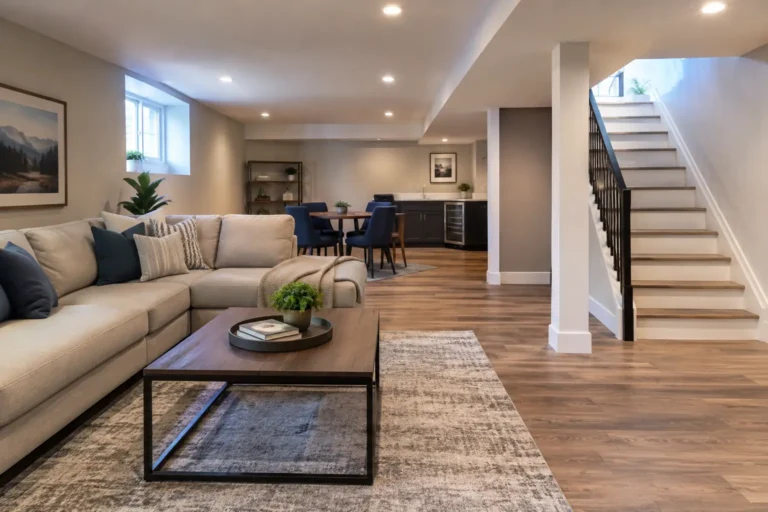
A basement that feels cold, dark, or unfinished can become the square footage your family has been missing. It can also be a meaningful factor when it is time to sell. But can basements add home value in every case? Not automatically. Value comes from turning underused space into a comfortable, legal, well-built part of the home – without spending more than the neighborhood is likely to support.
For homeowners in Hamilton, Burlington, Ancaster, Oakville, Grimsby, and Stoney Creek, a finished basement can create room for growing families, guests, hobbies, work, and entertaining. The strongest projects balance those everyday benefits with smart planning for future buyers.
Can Basements Add Home Value? Yes, When They Add Usable Space
A finished basement can increase a home’s appeal because it expands the amount of functional living area available to the next owner. Buyers often respond well to a basement that gives them flexibility: a family room for movie nights, a quiet office, a play area, a home gym, or a private guest room.
The key word is usable. Adding drywall and flooring alone does not guarantee a better return. A basement needs to feel like a natural extension of the home, with thoughtful lighting, comfortable temperatures, proper ceiling height, and finishes that are appropriate for below-grade conditions.
Appraisers and buyers do not always value below-grade square footage exactly the same way they value above-grade space. Still, a professionally finished basement can make a home more competitive, improve buyer perception, and support a stronger sale price when the work is legal, well maintained, and aligned with the rest of the house.
What Makes a Basement Renovation Valuable
The most valuable basement is rarely the one with the most expensive finishes. It is the one that solves a real need while giving future owners options.
A layout that works for more than one household
Highly specialized rooms can be enjoyable, but they may narrow the buyer pool. For example, a dedicated recording studio or an elaborate sports-themed space may not appeal to everyone. A flexible rec room with durable flooring, generous storage, and adaptable lighting has broader appeal.
A separate office, a bedroom with a properly sized egress window, or a full bathroom can also make the space more useful. These features can matter to buyers with teenagers, frequent guests, multigenerational households, or remote-work needs.
A bathroom that adds everyday convenience
A basement bathroom is often one of the most practical upgrades in a lower-level renovation. It keeps guests from traveling upstairs, supports a bedroom or office area, and makes the basement feel complete rather than temporary.
The return depends on the existing plumbing, the layout, and the quality of the installation. Moving drains or adding a sewage ejector can increase costs, so it is worth reviewing the plumbing plan early. A well-designed three-piece bathroom may be a better investment than overspending on luxury details that do not fit the rest of the home.
Comfort, light, and ceiling height
People can tell within seconds whether a basement feels inviting. Low ceilings, poor lighting, damp odors, and chilly floors can undermine even a beautiful renovation.
Recessed lighting, layered fixtures, light wall colors, and a sensible furniture plan can make a major difference. Where possible, larger or properly designed windows bring in daylight and improve the feeling of openness. Insulation, soundproofing, and reliable heating and cooling help the area perform as a true living space through every season.
Durable materials selected for below-grade conditions
Basements face moisture risks that main-floor rooms may not. That is why material choices should be practical as well as attractive. Luxury vinyl plank, porcelain tile, moisture-resistant drywall where appropriate, and quality subfloor systems can help protect the investment.
Before finishes go in, address any signs of water intrusion, cracks, poor drainage, or humidity problems. Covering up a moisture issue is never value-building. It can lead to damaged finishes, mold concerns, and difficult questions during a future home inspection.
Permits and Legal Work Protect the Investment
A finished basement should be built to applicable local requirements, especially when it includes bedrooms, bathrooms, electrical upgrades, plumbing, or structural changes. Permits and inspections may feel like extra steps, but they protect the homeowner and make the work easier to stand behind when selling.
This is particularly important for basement bedrooms. Egress windows, ceiling height, smoke and carbon monoxide alarms, and proper exits are not cosmetic details. They are safety requirements that can determine whether a room can legally be presented as a bedroom.
The same caution applies to a separate entrance or an accessory suite. A rental-ready basement can be appealing, but it requires careful planning around zoning, fire separation, electrical, plumbing, ventilation, and local regulations. Never assume that a finished room is automatically a legal suite.
Keeping permits, plans, invoices, and warranties organized is a simple but valuable habit. Documentation reassures buyers that the renovation was completed professionally rather than pieced together without oversight.
How Much Should You Spend on a Finished Basement?
There is no single percentage that guarantees a return. The right budget depends on the home’s current value, the quality of nearby homes, the condition of the basement, and your plans for staying in the property.
If comparable homes in your area have clean, functional finished basements, leaving yours unfinished may put your home at a disadvantage. On the other hand, installing high-end features that exceed the standard of the neighborhood may not be fully reflected in the eventual sale price.
Start with the problems that affect safety and longevity: water management, insulation, electrical capacity, heating and cooling, and code requirements. Then invest in the features that improve daily use, such as storage, a bathroom, flexible living space, and durable finishes. This approach helps avoid a common mistake: spending heavily on visual upgrades while ignoring the systems behind the walls.
It also helps to separate resale value from personal value. If your family will enjoy a comfortable basement for ten years, the project can be worthwhile even if you do not recover every dollar at sale. Better use of your own home has real value, especially when it postpones the need to move.
Basement Features That Often Have Limited Return
Some additions are best treated as lifestyle choices rather than resale drivers. A full custom bar, a theater with highly specialized equipment, or a large luxury wine room can be excellent for the right homeowner, but not every buyer will assign them the same value.
That does not mean avoiding personality. It means building flexibility into the design. A media room can still function as a family room. A gym can later become a playroom or office. Custom cabinetry can provide useful storage without dominating the entire layout.
Another costly mistake is finishing around unresolved water issues. If a basement has a history of leaks or moisture, address the source first. A trusted renovation contractor should be direct about this, even when it changes the scope or timeline. Protecting the home comes before making it look finished.
Plan for the Buyer Without Forgetting Your Family
The best basement renovations do not feel like a generic resale project. They reflect how your household actually lives while maintaining a clean, broadly appealing foundation for the future.
Think about traffic flow, storage for seasonal items, where guests will place coats, whether kids need open play space, and how sound will travel to the floor above. These details shape whether the room is genuinely useful after the renovation is complete.
At HB Renovations, careful planning starts with understanding the home and the people who live in it. A clear scope, realistic budget, quality materials, and attentive workmanship give a basement its best chance to add both comfort now and value later.
A well-finished basement should make your home easier to enjoy on an ordinary Tuesday, not just look impressive in listing photos. If the design is dry, safe, code-conscious, flexible, and built with care, it can become one of the hardest-working spaces in the house.
