
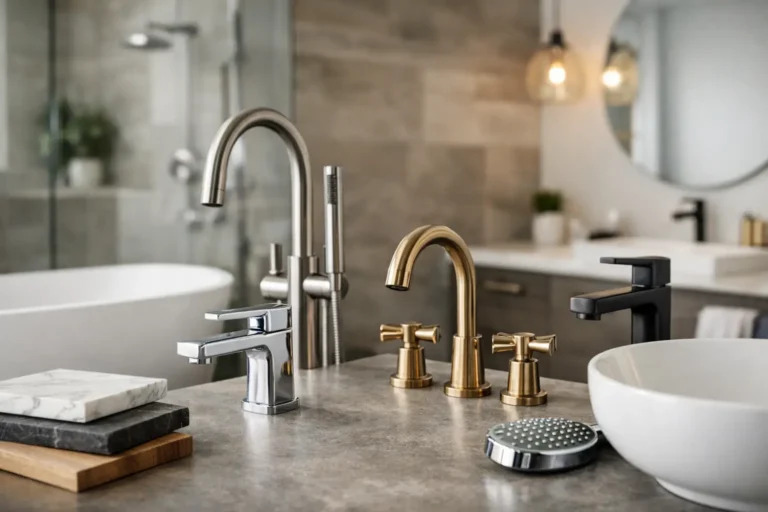
A bathroom can look beautifully renovated and still feel frustrating to use if the fixtures are not right. A faucet that splashes, a vanity with too little storage, or a shower system that does not suit your household can affect the room every single day. Knowing how to choose bathroom fixtures means looking beyond finishes and showroom displays to consider how your bathroom needs to work for you.
The best choices balance comfort, durability, water use, maintenance, style, and budget. Rather than selecting each piece separately, treat fixtures as part of one coordinated plan. That approach helps prevent expensive changes once the renovation is underway and creates a bathroom that feels finished, functional, and personal.
Start With How the Bathroom Is Used
Before choosing a faucet, showerhead, toilet, or tub, think about who uses the room and when. A busy family bathroom has different requirements than a compact powder room or a primary ensuite designed for a quieter routine.
In a shared bathroom, durability and storage often matter most. You may need a wider vanity, two sinks, a high-performing exhaust fan, and easy-to-clean surfaces that can handle frequent use. For a primary bathroom, comfort may take a larger role. A larger shower, adjustable showerhead, deeper tub, or warmer lighting can make the space feel more restorative without sacrificing practicality.
Also consider accessibility now and in the future. A curbless shower, lever-style faucet handles, a comfort-height toilet, and enough clear floor space can make a bathroom easier for guests, children, and homeowners who plan to stay in their home long term. These features do not have to make the room feel clinical. With thoughtful planning, they can look polished and modern.
How to Choose Bathroom Fixtures That Fit the Layout
A fixture may look ideal online but fail in a real bathroom if its size, mounting requirements, or clearances are wrong. Layout should guide your decisions from the beginning.
Measure the room carefully and account for door swings, vanity drawers, toilet clearance, shower entry, and traffic flow. A freestanding tub can be a beautiful focal point, for example, but it needs enough surrounding space to look intentional and to be cleaned easily. In a smaller room, a built-in tub or walk-in shower may provide a better use of the available footprint.
The same principle applies to vanities. A double vanity can add convenience, but only if it does not make the room feel cramped or block access to other fixtures. Sometimes a well-designed single vanity with generous drawers provides more useful storage than two narrow sink cabinets.
Plumbing locations also matter. Moving a toilet, tub drain, or shower valve can add significant labor and cost, particularly in older homes. Keeping fixtures close to existing plumbing is often a smart way to protect the budget. That said, a layout change can be worthwhile when it fixes a daily problem, such as a tight shower entrance or a vanity with no usable counter space. The right decision depends on the improvement you gain, not just the cost of the change.
Choose the Vanity and Sink as a Pair
The vanity does more than hold a sink. It defines storage, counter space, cleaning needs, and the visual weight of the room. Start by deciding what you need to store: towels, hair tools, skincare products, cleaning supplies, or children’s bath items. Deep drawers are often more convenient than open cabinets because they make smaller items easier to reach.
Then select a sink that suits the vanity and your routine. Undermount sinks create a clean countertop line and make wiping up water easier. Vessel sinks have a distinctive look, but they increase the height of the basin and can create more cleaning around the base. Integrated sinks offer a streamlined appearance with fewer seams, while drop-in sinks can be a practical option for certain countertop materials and budgets.
Pay attention to faucet height and reach. A faucet should direct water toward the center of the sink without hitting the back wall or causing splashing. This small detail has a major effect on everyday comfort.
Plan the Shower Around Real Habits
Showers are often where homeowners see the greatest improvement in a bathroom renovation. The best setup is not necessarily the one with the most features. It is the one that fits the people using it.
A fixed showerhead is simple and reliable, while a handheld showerhead makes cleaning easier and offers flexibility for children, pets, or mobility needs. A combination system can provide both. If more than one person uses the shower at different times, an easy-to-operate thermostatic valve can help maintain a consistent temperature.
Think carefully about niches, benches, and glass. A recessed niche keeps shampoo bottles off the floor, but it must be placed where it will not interfere with plumbing or become a direct target for heavy water spray. A bench adds comfort and can support accessibility, though it takes up space in a smaller shower. Clear glass makes a room feel open, while textured or frosted glass adds privacy and hides water spots more effectively.
Select Finishes for Maintenance, Not Just Style
Fixture finishes have a strong visual impact, but they should also match your tolerance for upkeep. Brushed nickel is a dependable choice because it works with many styles and tends to hide fingerprints and water marks. Chrome offers a clean, classic appearance and is often widely available at different price points, although it can show spots more easily.
Matte black can create contrast and a contemporary look, especially with lighter tile or wood-toned vanities. Its appearance varies between manufacturers, however, so matching fixtures from different brands can be difficult. Warm brass finishes can bring character to a bathroom, but quality matters. Lower-grade coatings may wear unevenly over time, especially on heavily used handles and faucets.
Whenever possible, choose fixtures from the same finish family and manufacturer for a more consistent result. If you mix metals, do it deliberately. For example, a brushed nickel faucet with black lighting can work well when one finish is clearly dominant and the second is used as an accent. Mixing several similar but slightly different finishes can make a finished bathroom feel uncoordinated.
Invest Where Daily Performance Matters Most
Bathroom fixtures come in a wide range of prices, and higher cost does not always mean a better fit. A smart budget prioritizes the components that affect daily use and are difficult to replace after installation.
Shower valves, faucets, toilets, and drain systems are worth selecting carefully. These items are used constantly, and poor-quality internal parts can lead to leaks, drips, inconsistent water flow, or early replacement. Look for solid construction, dependable warranties, and replacement parts that will be available in the future.
A toilet should be chosen for more than appearance. Consider flushing performance, bowl shape, height, water efficiency, and how easily the exterior can be cleaned. Skirted toilets create a smooth side profile that reduces dust-catching areas, but they may cost more than a standard model. An elongated bowl is generally more comfortable for adults, while a compact elongated design can save space in tighter bathrooms.
It is often reasonable to save on decorative items that are easier to change later, such as mirrors, towel bars, or some light fixtures. This allows more of the renovation budget to go toward the plumbing fixtures, waterproofing, tile installation, and ventilation that protect your home and support long-term performance.
Make Water Efficiency Feel Like an Upgrade
Efficient fixtures can reduce water use without making the bathroom feel less comfortable. Modern showerheads and faucets are designed to provide satisfying pressure while using less water, and dual-flush toilets give homeowners more control over daily consumption.
The key is to avoid choosing based on flow rate alone. Some low-flow fixtures feel weak because of poor design, while others deliver a strong, comfortable spray through better engineering. Test fixtures in person when possible, read manufacturer specifications, and ask your renovation contractor which products have performed well over time.
For homeowners in Hamilton, Burlington, Ancaster, Oakville, Grimsby, or Stoney Creek, local water conditions can also influence maintenance. Hard water can leave mineral buildup on showerheads, glass, and faucets. Finishes that hide spotting and fixtures with easy-to-clean nozzles may be a practical choice for a busy household.
Coordinate Fixtures Before Ordering
The most common fixture mistakes happen when selections are made too late. A wall-mounted faucet may require different plumbing than a deck-mounted model. A freestanding tub filler needs proper floor plumbing. A shower system may require a specific valve, trim kit, and pressure balance setup that must all be compatible.
Before ordering, confirm rough-in dimensions, mounting locations, electrical needs, and lead times. Keep a complete fixture schedule with model numbers, finishes, dimensions, and quantities. This gives your contractor, designer, and suppliers one clear reference point and reduces the chance of ordering mismatched pieces.
A thoughtful bathroom is built from hundreds of practical decisions, but the right fixtures make those decisions feel effortless once the room is complete. Choose pieces that support the way your household actually lives, then work with a contractor who will help you check the details before they become costly surprises. That is how HB Renovations helps homeowners create bathrooms that are not only stylish on day one, but comfortable and dependable for years to come.
